Wondering whether a historic home in Northwood is the right fit for you? It can be an exciting move, especially if you love original architecture, mature streetscapes, and homes with real character. The key is knowing what to look for before you buy so you can enjoy the charm without getting surprised by the process. Let’s dive in.
Why Northwood draws historic-home buyers
Old Northwood stands out as one of West Palm Beach’s major historic neighborhoods, with most of its notable development dating from 1921 to 1944 and many homes built between 1921 and 1926. It grew during the land-boom era and remains locally significant for both architecture and community planning.
For buyers, that history shows up in the streetscape and in the homes themselves. You are not just shopping for square footage or finishes. You are also buying into a neighborhood with a defined architectural story and a city preservation framework that helps guide how that story is maintained.
What “historic” can mean in Northwood
One important point is that not every home in a historic district carries the same level of historic significance. In West Palm Beach, properties within a local historic district may be classified as either contributing or noncontributing.
That distinction can matter when you evaluate a property. It may affect how much original material is still in place, how closely future exterior work is reviewed, and how preservation goals apply to changes over time. Once a local historic district is designated, owners cannot opt out.
What architecture you are likely to see
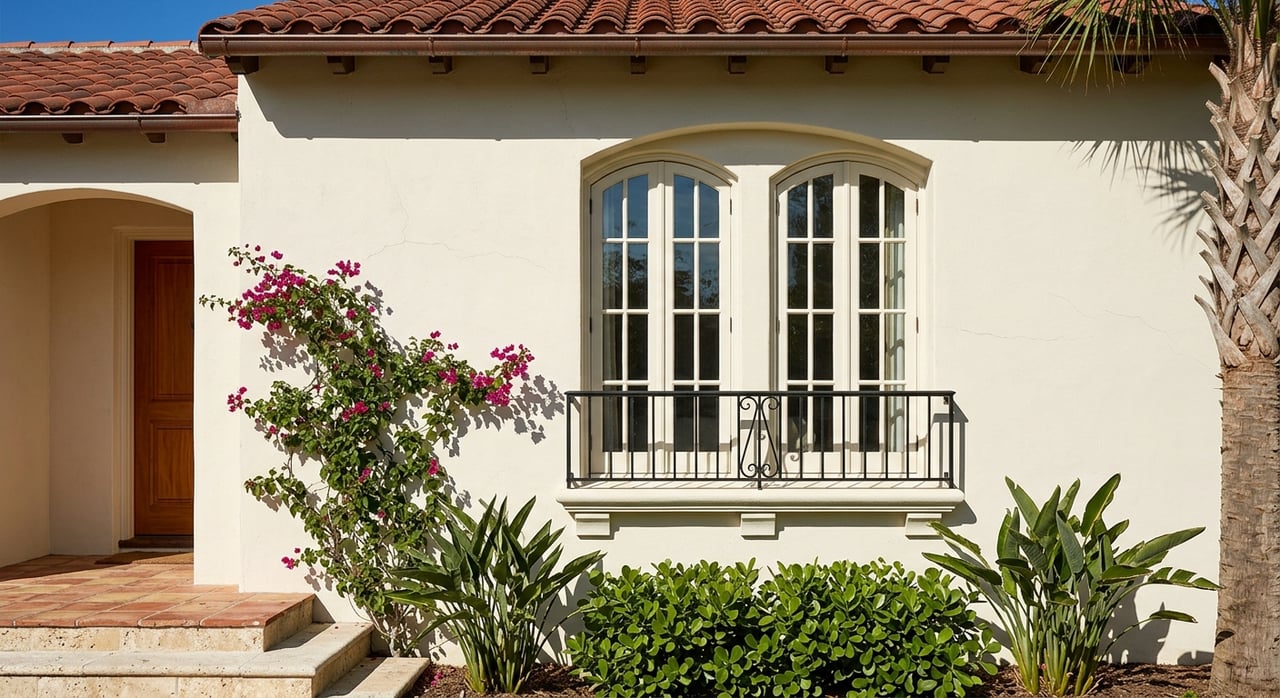
Mediterranean Revival is the most common style in Old Northwood, representing about 35% of residences in the district. You may also see Mission Revival variations, Colonial Revival homes, Bungalows, Art Moderne examples, and more vernacular houses.
That variety is part of the neighborhood’s appeal. It also means two homes from a similar era can feel very different in layout, detailing, and renovation needs.
Common character features
In Mediterranean Revival homes, look for details such as:
- Tile roofs
- Stucco walls
- Arched openings
- Porches and balconies
- Complex roof lines
- Ceramic tile decoration
Because many homes were built by contractors rather than a small circle of architects, details can vary from block to block. That makes it especially helpful to compare what appears original versus what may have been added later.
What to inspect before you buy
Historic homes reward careful due diligence. In Northwood, age alone does not make a home risky, but it does mean you should pay close attention to condition, maintenance history, and how prior updates were handled.
Moisture is often the biggest issue in older homes. According to the National Park Service, uncontrolled moisture is the most common cause of deterioration in older and historic buildings.
Check for moisture first
When touring or inspecting a home, pay close attention to:
- Roof condition
- Gutters and drainage
- Flashing details
- Stucco cracks
- Signs of past or active leaks
- Ventilation in enclosed areas
- Site drainage around the home
A home can look beautiful and still have hidden moisture issues. In a South Florida climate, this is one of the most important parts of your due diligence.
Add a WDO inspection
A standard home inspection is important, but in an older Florida home, it should usually be paired with a licensed wood-destroying organism inspection. UF/IFAS notes that WDO inspections look for termites and other wood-destroying organisms, and that termites are attracted to moisture.
That matters in Northwood, where many homes have older materials, wood trim, and age-related maintenance items. Leaky pipes, humid spaces, and poor ventilation can all increase risk.
Be ready for lead-paint disclosures
Because most Old Northwood homes were built well before 1978, lead-based paint disclosures are a normal part of the process. Buyers of pre-1978 housing should receive any known information before purchase.
This is not unusual for a historic home. It is simply one more item to review carefully, especially if you plan to renovate after closing.
Understand historic review before you plan updates
If you are buying a historic property in Northwood, you should understand the city’s review process before assuming you can change the exterior freely. West Palm Beach requires exterior changes to historic properties to comply with the city’s historic preservation ordinance and design guidelines.
Depending on the scope of work, exterior changes go through a Certificate of Appropriateness process. Some projects can be reviewed at the staff level, while others may go before the Historic Preservation Board, which meets monthly.
Exterior work is reviewed broadly
One detail many buyers miss is that review is not limited to what people see from the street. The city states that review applies to all exterior work, including areas not visible from the front.
That matters if you are thinking about additions, new hardscape, fencing, or backyard structures. It is smart to ask questions early, especially before budgeting a post-closing project.
What may not need review
Some general maintenance does not require historic review if no permit is needed. The city notes that painting and minor exterior repair typically fall into that category.
Landscaping itself is also not reviewed. However, related improvements such as fences, site walls, decks, patios, pergolas, and sheds are reviewed.
How compatible additions are usually handled
For larger changes, compatibility is the key principle. In West Palm Beach, additions are generally placed to the side or rear and stepped back from the front elevation.
Demolition is generally disfavored, especially for contributing properties. In practical terms, buyers should expect a preservation-minded approach that aims to keep the home’s existing form, materials, and character whenever possible.
Know a few practical district rules
Historic-district ownership also comes with some practical rules and allowances that can affect your plans and budget.
For example, vinyl fences are not permitted in historic districts. Wood and aluminum fencing are allowed if they meet zoning requirements.
The city also notes that contributing historic buildings are exempt under the Existing Buildings section of the Florida Building Code from meeting energy requirements. At the same time, owners can still improve efficiency with options such as storm windows, insulation, and air-sealing.
Ask about tax benefits before renovations
If you are considering a purchase that will need rehabilitation, a local tax incentive may be worth discussing early. West Palm Beach offers an ad valorem tax exemption program for designated historic properties.
Approved rehabilitation improvements may qualify for an exemption from tax increases for up to 10 years. The catch is that the application must be approved before work begins, and the project must follow the Secretary of the Interior’s Standards for Rehabilitation.
This is one reason planning matters so much with historic homes. If you buy first and renovate casually, you may miss a benefit that could have helped your long-term costs.
Build the right team from day one
Buying a historic home in Northwood usually goes more smoothly when you bring in the right professionals early. The exact mix depends on the property, but a thoughtful team can help you evaluate both the home and your future plans with more clarity.
A strong starting lineup often includes:
- A general home inspector
- A licensed WDO inspector
- A contractor with historic-house experience when repairs are likely
- An architect or preservation-minded professional for major exterior changes
If a property has moisture issues, structural questions, or a large update planned, expert input becomes even more valuable. A beautiful historic home is often a great purchase, but the smartest buyers treat due diligence and planning as part of the investment.
A smart way to approach a Northwood purchase
The best Northwood buyers usually balance emotion with preparation. It is fine to fall in love with arches, tile roofs, original windows, or an old Florida porch. You just want that excitement to be matched with a clear understanding of condition, review requirements, and realistic improvement costs.
That is especially true in a neighborhood where architectural character is a big part of long-term value. When you buy thoughtfully, you are not only choosing a home. You are also becoming a steward of a piece of West Palm Beach history.
If you are considering a historic home in Northwood, working with a broker who understands the neighborhood, the housing stock, and the practical side of historic ownership can make the process far more confident. To explore Northwood homes or talk through a potential purchase strategy, connect with Jefferson Kiely.
FAQs
What makes Old Northwood historic in West Palm Beach?
- Old Northwood is locally significant for architecture and community planning, with its key development period spanning 1921 to 1944 and many homes built between 1921 and 1926.
What architectural styles are common in Northwood historic homes?
- Mediterranean Revival is the dominant style, and buyers may also see Mission Revival variations, Colonial Revival homes, Bungalows, Art Moderne examples, and vernacular houses.
What should you inspect when buying an older home in Northwood?
- Focus on moisture-related issues first, including the roof, drainage, flashing, stucco cracks, ventilation, and signs of past leaks, and pair a general inspection with a licensed WDO inspection.
Do Northwood historic homes have renovation restrictions?
- Yes. In West Palm Beach, exterior changes to historic properties are subject to the city’s preservation rules and may require a Certificate of Appropriateness through staff review or the Historic Preservation Board.
Can you add a fence or backyard structure to a historic property in Northwood?
- Possibly, but those features are reviewed. The city says fences, site walls, decks, patios, pergolas, and sheds are subject to review, and vinyl fences are not permitted in historic districts.
Are there tax incentives for renovating a historic home in West Palm Beach?
- Yes. West Palm Beach offers an ad valorem tax exemption program for designated historic properties, but the application must be approved before work begins and qualifying work must meet preservation standards.