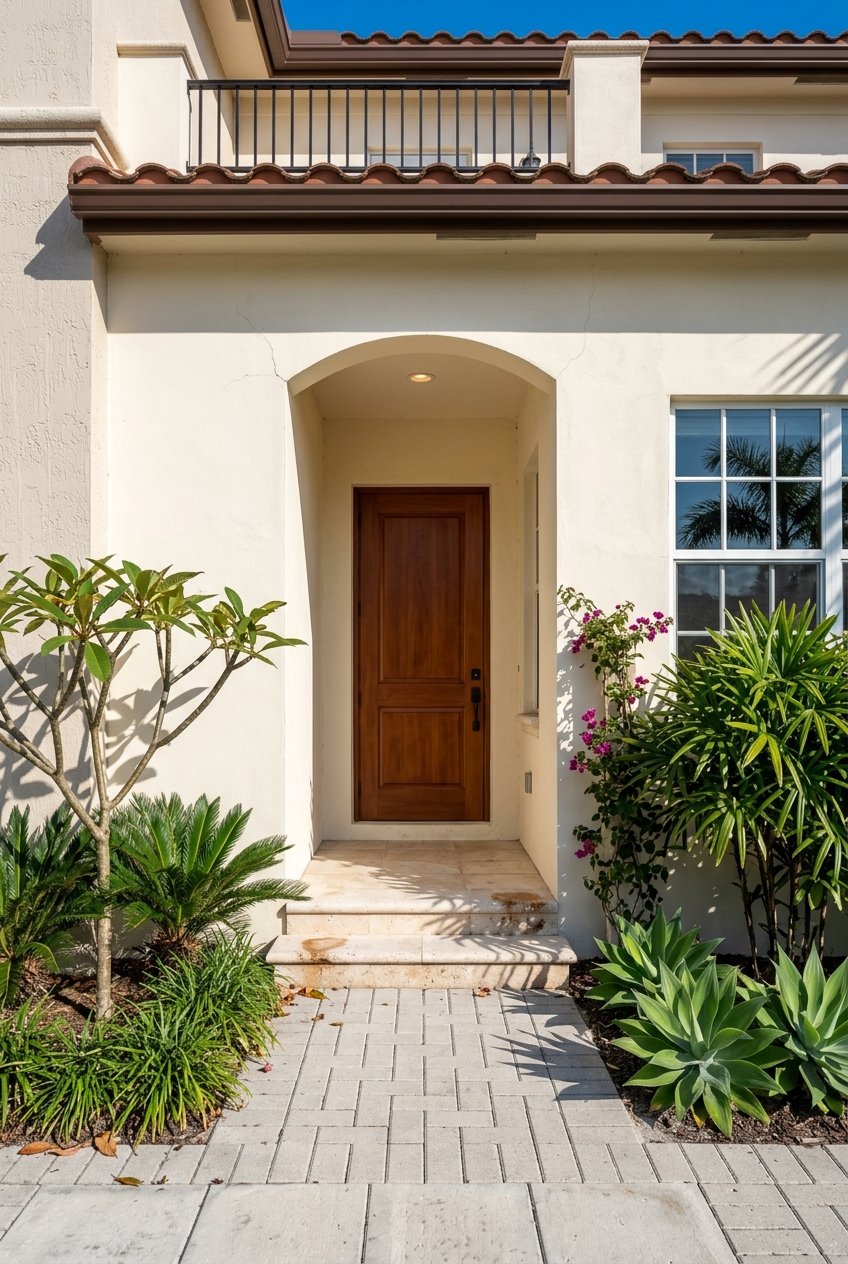
Trying to choose between a condo and a townhome in Lake Worth Beach? It sounds simple, but in this coastal market, the decision often comes down to how you want to live day to day. From downtown access and beach parking to association rules and historic-district review, the right fit is about more than square footage. This guide will help you compare both options with more clarity so you can move forward with confidence. Let’s dive in.
Why this choice feels different in Lake Worth Beach
Lake Worth Beach has a distinct mix of coastal lifestyle, historic character, and walkable city energy. The city identifies a central downtown core along with established areas such as Old Town, College Park, and South Palm Park. That means your condo or townhome choice can also shape how close you are to downtown, the Intracoastal, and the routines that matter most to you.
In many cases, condos in Lake Worth Beach align with a more amenity-focused, lock-and-leave lifestyle. Townhomes often offer a more house-like feel in the same broader market. If you are deciding between the two, it helps to think about your real routine first, then compare the legal and financial structure second.
Parking matters here too. The city operates beach parking permits for permanent and seasonal residents, but those permits are limited to specific resident areas and are not accepted at Bryant Park or in downtown residential permit spaces. If beach access, guest parking, or daily driving is part of your lifestyle, that detail can affect which property type feels easier to live with.
Condo vs townhome ownership basics
What condo ownership usually means
In Florida, condominiums are governed by Chapter 718. When you buy a condo, you own your unit plus an undivided share of the common elements, and that interest passes with the unit. Florida condo law also places maintenance of the common elements on the association, except for limited common elements assigned to the owner by the declaration.
That structure is why condos often feel easier to maintain. In practical terms, the association commonly handles more of the shared building systems and exterior responsibilities. For many buyers, that creates a true lock-and-leave experience.
What townhome ownership usually means
Townhome communities in Florida are often governed through homeowners’ associations under Chapter 720. The association’s powers and duties come from both the statute and the governing documents. That means the split between owner responsibility and association responsibility depends heavily on the declaration, bylaws, and rules.
This is why townhomes often feel more house-like, but also more variable. One community may cover more exterior items, while another may place more responsibility on you. The documents matter more than assumptions.
How the lifestyle differs
Condos fit convenience-first buyers
If you want simpler upkeep and are comfortable with a more rules-driven building, a condo may be the better fit. This can work especially well if you split time between homes, want easier maintenance, or prefer shared amenities and a more managed environment.
In Lake Worth Beach, that convenience can pair nicely with a city-core routine. If your ideal day includes being near downtown, enjoying the beach, and spending less time on exterior maintenance, a condo may check more boxes.
Townhomes fit buyers wanting a house-like feel
If you want attached living with a little more separation from a traditional condo setup, a townhome may feel more natural. Many buyers like the more residential feel and the fact that ownership can function more like a home, depending on the governing documents.
That said, more independence can come with more homework. You need to confirm exactly what the HOA maintains, what you maintain, and how the community handles repairs, assessments, and restrictions.
Costs to compare before you buy
A lower monthly fee does not always mean lower ownership cost. In Lake Worth Beach, it is important to compare dues, reserves, insurance, and possible special assessments before you decide.
Condo costs to review closely
For condos, monthly fees should be reviewed alongside the association’s reserves, insurance, and building condition. Florida’s structural integrity reserve study, or SIRS, has become a major budgeting tool for many condo associations. The study looks at building components the association must maintain, current reserve funding, and the money needed for future major repairs.
Under Florida law, certain owner-controlled condo associations with buildings three stories or higher must complete a SIRS by December 31, 2025. The state also requires the completed reporting form to be submitted electronically within 45 days after completion. For buyers, this means condo due diligence should go well beyond asking, “What are the monthly dues?”
You should also ask:
- What do the dues cover?
- Are reserves adequately funded?
- Has the building deferred major maintenance?
- Are there upcoming repair projects or special assessments?
- Are milestone inspections or reserve studies already available?
Townhome costs still need close review
Townhomes can look less expensive on paper, but that is not always the full story. Florida HOA disclosure law says buyers will owe assessments, may owe special assessments, and may face rental restrictions based on the governing documents.
So even if a townhome feels more private, the actual carrying cost still depends on the community structure. The monthly budget only makes sense when you compare it with the declaration, bylaws, current rules, and association finances.
Why documents matter so much
The due-diligence file is not paperwork for paperwork’s sake. It is where you find the real difference between a good fit and an expensive surprise.
For condos, official records can include the declaration, bylaws, rules, insurance policies, financial records, contracts, ballots, milestone inspections, and structural integrity reserve studies. For HOAs, official records include items such as the declaration, bylaws, rules, board and member minutes, insurance, contracts, financial records, and voting records.
Florida condo and HOA law generally requires access to official records within 10 working days after a proper request, and records must generally be available within 45 miles of the property or in the county. That access gives you a chance to evaluate how the association operates before you commit.
Lake Worth Beach issues buyers should not overlook
Historic district review
Lake Worth Beach’s historic-preservation rules can affect both condos and townhomes. The city says exterior alterations, additions, demolitions, and new construction within historic districts require a Certificate of Appropriateness before exterior work begins and before a building permit is issued.
If you are considering an older property in or near a historic district, this should be part of your early review. Window replacements, façade updates, additions, or exterior renovations may involve city review. If future improvements matter to you, verify that process up front.
Parking and daily access
Parking can shape your experience more than buyers expect. In a coastal city with downtown activity, resident beach parking permits and local parking rules can make one location feel much easier than another.
This is especially relevant if you expect frequent beach trips, regular guests, or easy in-and-out access by car. A condo near the action may sound ideal until parking becomes part of your weekly stress. A townhome may feel more practical for your routine, or vice versa, depending on the location and rules.
Hurricane protection rules
Florida condo law also addresses hurricane protection. A condo board may not refuse approved hurricane protection that conforms to board specifications, and the declaration determines who pays for removal or reinstallation when maintenance work requires it.
In Lake Worth Beach, that matters. Hurricane protection can affect comfort, planning, and long-term costs, so it is worth reviewing how a specific condo community handles those details.
A simple way to decide
If you want the shortest version, start here.
Choose a condo if you want:
- More convenience
- Less exterior maintenance responsibility
- A more managed, rules-driven environment
- A strong lock-and-leave lifestyle
Choose a townhome if you want:
- A more house-like daily experience
- A more residential feel
- Potentially more control over your space, depending on the documents
- Flexibility that feels closer to homeownership than apartment-style living
The key is not choosing the category first. It is choosing the lifestyle, then confirming that the association structure supports it.
What to ask before making an offer
Before you move forward on either option, make sure you review:
- The declaration, bylaws, and current rules
- The current budget and financial statements
- Insurance information
- Reserve funding or reserve-study information
- Any planned or recent special assessments
- Board and member meeting minutes
- Parking rules and access details
- Any historic-district considerations for exterior changes
Those questions can tell you more than a polished listing ever will. In a market like Lake Worth Beach, they are often the difference between a property that fits your life and one that only looks good on paper.
If you want help weighing a condo against a townhome in Lake Worth Beach, local guidance makes a real difference. A neighborhood-first review of the documents, location, and lifestyle tradeoffs can save you time and help you buy with more confidence. Connect with Jefferson Kiely for tailored guidance across Lake Worth Beach and the eastern Palm Beaches.
FAQs
Which is easier to maintain in Lake Worth Beach: a condo or a townhome?
- Usually a condo, because Florida condo law generally places common-element maintenance on the association, while townhome maintenance responsibilities depend more on the HOA documents.
What should buyers review before buying a condo in Lake Worth Beach?
- Review the declaration, bylaws, rules, budget, insurance, reserves, any special assessment history, and available inspection or structural integrity reserve study information.
What should buyers review before buying a townhome in Lake Worth Beach?
- Review the declaration, bylaws, rules, budget, insurance, meeting minutes, and any documents showing what the HOA maintains versus what the owner maintains.
Why do parking rules matter when choosing a home in Lake Worth Beach?
- The city’s beach parking permit system and downtown parking limits can affect your daily convenience, guest access, and how easy the location feels in practice.
Do historic district rules affect condos and townhomes in Lake Worth Beach?
- Yes. In or near a historic district, exterior alterations and some renovation plans may require a Certificate of Appropriateness before work begins and before a building permit is issued.
Are condo fees in Lake Worth Beach always higher than townhome HOA fees?
- Not necessarily. A lower fee does not always mean lower overall cost, because both condos and townhomes can involve assessments, insurance costs, reserve needs, and community-specific obligations.