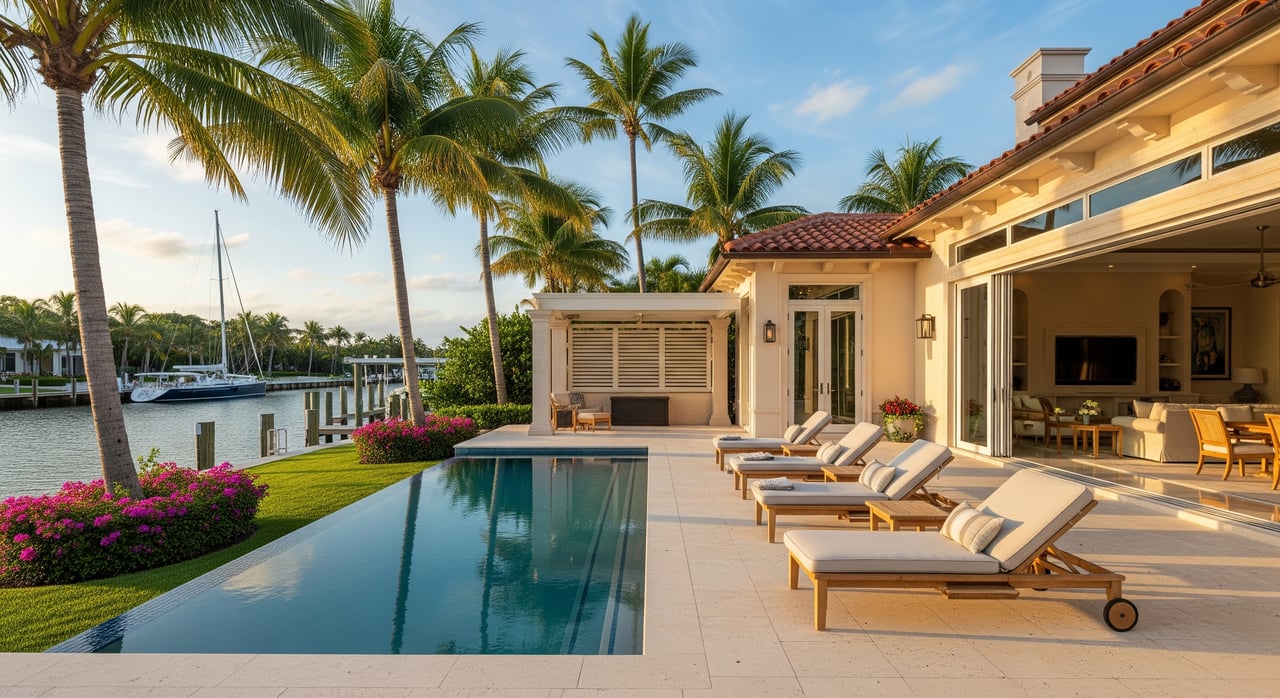
Thinking about a Q1 move in Palm Beach County? Here, the calendar is not background noise. It shapes when listings hit the market, how many buyers are in town, and how fast deals come together. If you understand our winter cycle, you can choose timing that gives you more selection or more leverage. Let’s dive in.
Why seasonality matters in Palm Beach
Palm Beach County has a clear high season from November through April. This is when snowbirds, second‑home buyers, and seasonal renters come to town, and when many sellers plan to launch listings.
Seasonality looks different by area. Palm Beach island centers on luxury and second homes, so activity clusters in winter. West Palm Beach, Boca Raton, and Delray Beach have more year‑round residents and steadier activity, although winter still brings a noticeable uptick.
High season: Nov to Apr
Visitor inflow drives demand. Winter brings more in‑market buyers, investor tours, and short‑term rental stays. Many out‑of‑town buyers align house‑hunting with social and sporting events.
Major events act as catalysts. The Winter Equestrian Festival in Wellington runs January to April. The Palm Beach International Boat Show typically lands in March. Add art fairs, polo, and charity galas, and you get packed weeks when showings and offers spike.
Off‑season opportunities
Summer and hurricane season, roughly June through November, usually bring fewer buyer trips and lighter competition. If you want more negotiating room or a calmer touring schedule, late spring and summer can work in your favor. Sellers who want the largest pool of seasonal buyers often avoid listing in the hottest months.
Hurricane season introduces extra considerations. Insurance availability and cost, wind and flood exposure, and scheduling for inspections can all affect timing. Build that into your plan if you are buying or selling mid‑year.
How winter demand shows up
Listing cadence and inventory
Many owners, especially second‑home sellers, aim for January through March launches to meet winter traffic. Active inventory often builds in late fall as listings are prepared for season. Primary‑residence neighborhoods see steadier activity year‑round, with a winter bump.
Buyer traffic and competition
More buyers are physically in town during winter, which raises foot traffic and can increase multiple‑offer situations in desirable segments. On the luxury side, buyers often visit for only a week or two and make quick decisions, which compresses timelines.
Pricing and days on market
Higher winter demand can support stronger list‑to‑sale price ratios in sought‑after areas. Some sellers time price adjustments or marketing pushes for just before or during peak season. Days on market often shorten in winter and lengthen in off‑season as the buyer mix shifts.
Short‑term rentals and investors
Short‑term rental occupancy and rates peak in winter, which draws investor interest. Rules vary by municipality across Palm Beach County, so confirm what is allowed in the Town of Palm Beach, West Palm Beach, Boca Raton, or Delray Beach before you buy.
Q1 strategies for sellers
If you want maximum exposure to visiting buyers, Q1 is prime time. You will benefit from having your home market‑ready before the crowd arrives.
- Prepare in fall. Complete repairs, staging, and photography in October through December so you can launch cleanly in January or early February.
- Time your debut. Aim for January or early February to capture peak touring windows and major events.
- Price with intention. Test the market early in season. Consider flexible terms that many winter buyers value, such as a quick close or limited furnishings.
- Align showings with event weeks. Coordinate open houses and private tours when the right audiences are in town.
- Book vendors early. Inspection, title, and moving services get busy in Q1, so pre‑schedule to keep contracts on track.
Q1 strategies for buyers
Winter offers the largest selection that matches second‑home preferences and a chance to compare many homes in a single trip. It also requires preparation and speed.
- Get fully pre‑approved. Secure a full mortgage pre‑approval or proof of funds before you arrive.
- Line up your agent. Work with a local advisor who understands seasonal negotiation patterns and off‑market opportunities.
- Cluster tours. Book concentrated touring windows in January through March so you can compare options side by side and act decisively.
- Be offer‑ready. Use clean terms, and consider escalation clauses when appropriate on highly desired listings.
- Consider shoulder months. If you want less competition, target late spring or summer for more leverage on lingering listings.
Guidance for investors and STR owners
Seasonal revenue concentrates in November through April. That often supports stronger pricing where short‑term rentals are permitted.
- Verify rules first. Municipal STR regulations differ. Confirm permitting, minimum stays, and enforcement before you buy.
- Package income data. If you are selling an STR property in Q1, highlight occupancy and rate performance from high season.
Primary‑residence timing
If you prefer to move around the school calendar, summer may be the more practical window. You will likely face fewer competing offers, but also a smaller pool of active listings.
If you buy during peak season, consider a longer escrow to allow adequate time for inspections, insurance quotes, and vendor scheduling during busy weeks.
What to watch monthly
Track a few indicators to stay grounded amid the seasonal rhythm.
- New listings, active inventory, and pending sales
- Median sale price by neighborhood and property type
- Days on market and list‑to‑sale price ratio
- Absorption rate and frequency of multiple offers
- Short‑term rental occupancy and average daily rates in STR‑friendly areas
Also keep an eye on local catalysts. The Winter Equestrian Festival and the Palm Beach International Boat Show can spark short‑term surges in showings. Watch municipal planning or STR rule changes that may alter investor appetite.
Plan your Q1 timeline
Here is a simple, practical sequence to keep you on track.
- 60–90 days out: Finalize pricing strategy and staging plan if selling; obtain full pre‑approval or proof of funds if buying.
- 30–45 days out: Schedule photography, create your marketing assets, and pre‑book vendors. Buyers should book travel and touring blocks.
- Launch window: List in January or early February, or for buyers, tour in January through March with offer terms ready.
- Contract period: Move quickly on inspections, title, and insurance, since vendor demand is elevated in Q1.
Work with a local advisor
Seasonality is predictable, but every neighborhood and price segment reacts a little differently. You deserve guidance tailored to your goals, whether that is a polished Q1 launch on Palm Beach island or a strategic summer purchase in West Palm Beach or Delray.
If you want a marketing‑first listing campaign, hyperlocal intelligence, and hands‑on representation, connect with Jefferson Kiely. We help you time the market, present your home beautifully, and negotiate with confidence.
FAQs
When is peak home‑buying season in Palm Beach County?
- November through April is the high season, with the most in‑market buyers and event‑driven activity.
Is summer a good time to buy in Palm Beach?
- Yes, summer often brings fewer competing buyers and more negotiability, though there may be fewer new listings.
How should I time a Q1 listing for best exposure?
- Complete prep in fall and launch in January or early February to align with peak touring weeks and major events.
Do events like the Boat Show change market dynamics?
- Yes, major events concentrate affluent visitors, which can increase showings and speed up offers during those weeks.
What should STR investors consider about seasonality?
- Winter drives higher occupancy and rates, but rules vary by city, so confirm local regulations and permitting before you buy.
How does hurricane season affect my timeline?
- From June to November, plan extra time for inspections and insurance quotes, and weigh wind and flood exposure in your due diligence.