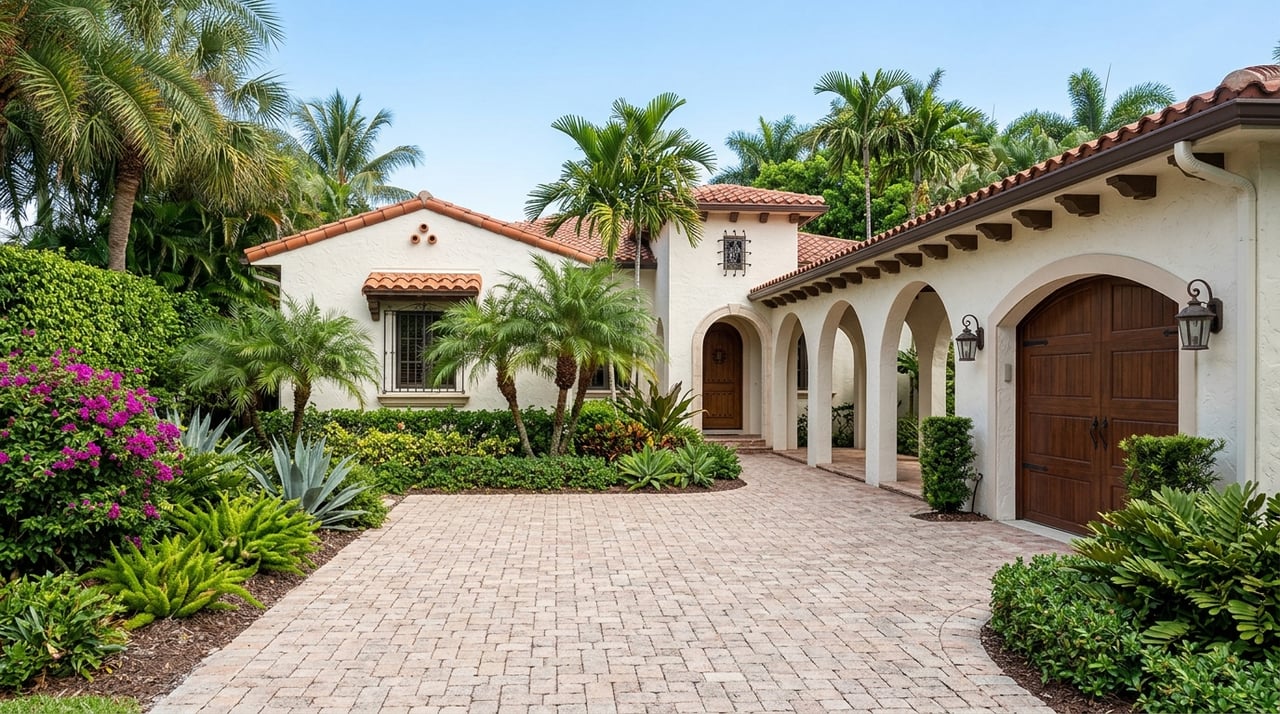
If you are comparing Prospect Park and Southland Park, the first surprise is that the city treats them as one historic district, while the market often talks about them like two separate neighborhoods. That can make it harder to judge pricing, home styles, and what you are really getting from one block to the next. This guide will help you sort through the differences that matter most, whether you are planning to buy, sell, or simply understand the market better. Let’s dive in.
One Historic District, Two Market Identities
In city planning terms, Prospect Park and Southland Park sit within the combined Prospect/Southland Park historic district in West Palm Beach. The district was designated locally in 1993, then expanded in 2009 to add 76 contributing properties and widen the boundary. It later appeared on the National Register weekly list in 2011.
For buyers and sellers, that means the official historic framework is shared even if listing portals split the area into separate neighborhood pages. In practice, you may see Historic Prospect Park and Historic Southland Park described as distinct markets. Both labels can be useful, but they do not tell the whole story on their own.
The district’s period of significance also helps explain why the housing stock feels varied. It first covered 1920 to 1935, then expanded to 1938 through 1958 after the 2009 resurvey. As a result, you will find both Land Boom-era architecture and later postwar infill in the same broader district.
Home Styles You Can Expect
One of the biggest strengths of this area is its architectural variety. The official style mix includes Mediterranean Revival, Mission, Monterey, American Foursquare, Art Moderne, Ranch, Minimal Traditional, and both Frame and Masonry Vernacular homes. That range gives the district more visual depth than buyers sometimes expect.
At a glance, many people associate the area most strongly with Mediterranean Revival and Mission homes. Those styles are certainly part of the district’s identity, especially in its earlier historic core. Still, they are only part of the story.
Later homes add another layer to the streetscape. Ranch, Minimal Traditional, and Vernacular homes reflect the district’s expanded period of significance and give some blocks a more mixed, evolving feel. For buyers, that means you are not shopping one uniform architectural product.
Prospect Park Style Character
A useful shorthand is that Prospect Park often leans more toward the waterfront and estate side of the district. That is not a formal zoning distinction, but it lines up with parcel examples and current market positioning. If you are drawn to larger sites and a stronger connection to the Intracoastal setting, Prospect Park often stands out.
That setting can shape the feel of the homes as much as the architecture itself. A house here may offer more visual openness, a larger footprint opportunity, or a more substantial lot presence. In a luxury market, those location-driven traits can carry as much weight as style labels.
Southland Park Style Character
Southland Park more often reads as a tighter historic grid with smaller lots and a broader mix of older renovated homes and infill. That can appeal to buyers who want character and location but are open to more variety from one property to the next. It also means pricing can shift quickly based on renovation level, positioning, and overall presentation.
For sellers, that variety makes accurate pricing especially important. A well-updated home on a strong block may compete very differently from a similarly sized property that needs work or sits on a more modest interior lot. In Southland Park, nuance matters.
Lot Sizes Vary More Than You Think
One of the clearest differences between the two areas is not style. It is lot pattern. Parcel records show that lot size can change dramatically depending on where a property sits within the district.
A Southland Park parcel at 309 Greymon Drive measures 0.1458 acres. A Prospect Park South parcel at 3110 Washington Road measures 0.7365 acres and is coded as Intracoastal land. That is a major spread, and it shows why broad neighborhood averages can be misleading.
In simple terms, interior blocks tend to offer more modest urban lots. Waterfront-adjacent parcels and certain edge locations can be much larger. If you are comparing homes in Prospect Park and Southland Park, it is smart to focus less on the name alone and more on exact siting, street, and lot dimensions.
Prospect Park vs Southland Park Pricing
Both areas currently sit in the multimillion-dollar tier. Realtor.com’s May and June 2026 neighborhood pages place Historic Prospect Park at about a $3.50 million median listing price, with 10 homes for sale and a buyer’s-market signal. Historic Southland Park shows about a $3.04 million median listing price, with 14 homes for sale and a seller’s-market signal.
There is one important wrinkle. A broader Southland Park page reports a median listing price of about $3.44 million, which suggests portal boundaries vary. That is a good reminder that neighborhood stats are helpful starting points, but they are not a substitute for property-level analysis.
Which Area Is Pricier?
On the current historic pages, Prospect Park shows the higher median listing price. Even so, the gap is not large enough to treat one neighborhood label as automatically more valuable than the other. In this part of West Palm Beach, lot position, waterfront adjacency, condition, and renovation quality often matter more than the name on the listing page.
Prospect Park does appear to carry the higher waterfront pricing ceiling. That fits the area’s tendency toward larger, more premium-positioned parcels. For luxury buyers, that can make Prospect Park especially compelling when waterfront access or visual connection to the Intracoastal is the priority.
Inventory and Market Pace
Both areas appear inventory-light, but Southland Park currently shows slightly more active inventory. The historic Southland Park page reports 77 days on market, while the broader Southland Park page shows 72 days on market. Prospect Park’s historic page reports homes selling approximately at asking on average in May 2026, along with a price point of about $1,249 per square foot.
That mix suggests two premium micro-markets with different rhythms. Southland Park may offer a few more choices at a given moment, while Prospect Park can command stronger pricing at the top end. Buyers should be prepared to act when the right property appears, especially if location within the district is a priority.
Why Demand Remains Strong
The broader West Palm Beach luxury market stayed very strong in early 2026. A metro brokerage report said luxury pending sales were up 30 percent year over year in January 2026, with a luxury median sale price of about $4.24 million. The same report noted that waterfront estates and premier properties remain relatively scarce.
That scarcity helps explain the lasting pull of historic coastal blocks in Prospect Park and Southland Park. These neighborhoods offer a rare combination of established character, prime corridor access, and proximity to the Intracoastal setting. In a market where premium location is hard to replicate, that matters.
Lifestyle and Daily Access
The neighborhood association describes the area as about 400 homes and five parks. George Petty Park in Prospect Park offers Intracoastal views and small-beach access. Greenwood Greenway Park sits at South Flagler Drive and Greenwood Drive.
Those features help shape the day-to-day appeal beyond the homes themselves. The district is also closely tied to major local corridors, including South Flagler Drive, South Olive Avenue, South Dixie Highway, Washington Road, and Southern Boulevard. For many buyers, that combination of historic setting and practical connectivity is part of the value.
What Sellers Should Know About Historic Review
If you own a home in Prospect Park or Southland Park, historic status affects more than branding. The City of West Palm Beach says any building in a historic district requires Historic Preservation Board review for exterior changes. The design rules focus on compatibility, materials, massing, and placement.
That applies to both contributing and noncontributing properties within the district. In other words, review does not turn only on whether a home is considered historic in the narrowest sense. For sellers planning improvements before listing, timing and design strategy matter.
Renovation Strategy Matters
Before starting exterior work, it is wise to understand how the city will evaluate the proposed changes. Additions and upgrades are reviewed for how they fit the surrounding district, rather than through a simple old-versus-new test. A project that respects scale and placement may have a smoother path than one that ignores the existing context.
This can shape your listing timeline, your prep budget, and the type of buyer your home attracts. Thoughtful, compatible improvements often support stronger presentation in historic neighborhoods where character is part of the draw.
Possible Tax Benefit for Approved Work
Owners also may want to look into the city’s 10-year ad valorem tax exemption on the increased value created by approved improvements. That does not apply automatically, and the work must qualify under city rules. Still, it can be a meaningful factor when weighing renovation plans.
For sellers, that makes early planning even more valuable. The right guidance can help you decide which updates support marketability, which require review, and how to position the home without over-improving.
How To Compare Homes More Accurately
If you are choosing between Prospect Park and Southland Park, a simple neighborhood-versus-neighborhood comparison may not be enough. A better approach is to compare homes based on a few key filters:
- Exact street and lot position
- Waterfront adjacency or edge location
- Architectural style and era
- Renovation quality and condition
- Historic review implications for future changes
- Current inventory levels and days on market
This is where hyperlocal analysis becomes especially important. In a district with mixed styles, shifting lot sizes, and varied market signals, block-by-block context can tell you more than a headline median price.
If you are buying, that means matching the property to your priorities instead of chasing a label. If you are selling, it means presenting and pricing your home based on its true competitive set.
Whether you are weighing a purchase, preparing a listing, or trying to understand how your home fits within the district, local detail makes a real difference. For tailored guidance on Prospect Park, Southland Park, and the broader eastern Palm Beaches, connect with Jefferson Kiely.
FAQs
Are Prospect Park and Southland Park the same neighborhood in West Palm Beach?
- In city planning, they are part of the combined Prospect/Southland Park historic district, but real estate portals often present them as separate neighborhood markets.
What home styles are common in Prospect Park and Southland Park?
- Buyers can expect a mix of Mediterranean Revival, Mission, Monterey, American Foursquare, Art Moderne, Ranch, Minimal Traditional, and Frame or Masonry Vernacular homes.
Is Prospect Park more expensive than Southland Park?
- Current neighborhood pages show Historic Prospect Park with a slightly higher median listing price, but actual value often depends more on lot position, waterfront adjacency, and renovation quality.
Are lot sizes larger in Prospect Park than Southland Park?
- Lot sizes vary widely across the district, though Prospect Park tends to lean toward larger waterfront or edge parcels while Southland Park more often has smaller interior lots.
Do homes in Prospect Park and Southland Park need historic approval for exterior changes?
- Yes, the City of West Palm Beach says buildings in the historic district require Historic Preservation Board review for exterior changes, with attention to compatibility, materials, massing, and placement.
What should sellers in Southland Park or Prospect Park do before renovating?
- Sellers should review city historic requirements early, since project timing, design compatibility, and possible eligibility for the city’s 10-year ad valorem tax exemption can affect both budget and listing strategy.