If you own or are eyeing a home in Old Northwood, you already know its charm is rare. The right renovation can elevate comfort and value without losing the architectural soul that drew you in. The wrong choices can do the opposite. You want a clear plan that respects history, meets code and weather realities, and appeals to today’s buyers. This guide gives you a practical roadmap tailored to Old Northwood’s historic styles and South Florida conditions. Let’s dive in.
Know your home’s character
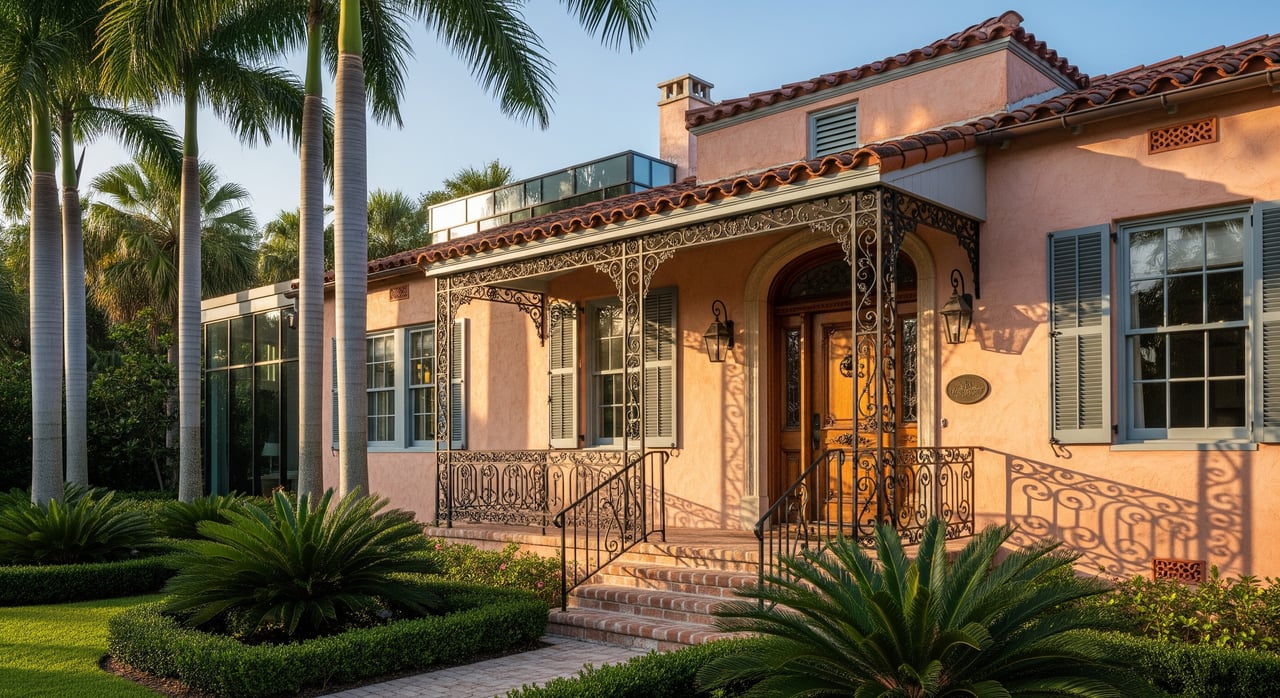
Old Northwood features Craftsman bungalows, Mediterranean and Spanish Revival, Mission influences, and vernacular cottages from the early to mid 20th century. Each style has distinct details that shape curb appeal and value. Think porch proportions and columns, roof shape and eaves, original siding or stucco, and window sash patterns.
Inside, buyers respond to hardwood floors, plaster walls, built-ins, and period moldings. These elements anchor the home’s identity, so plan to keep and repair them whenever possible. Small, thoughtful upgrades that complement these features feel timeless and sell well.
Start with plan and permits
Historic homes often have overlapping reviews and permits. In West Palm Beach, exterior changes usually require a Certificate of Appropriateness from the Historic Preservation Office. You will also need city permits for building work and separate permits for electrical, plumbing, and mechanical.
Before you sketch a new porch or order windows, confirm your home’s designation and rules with the City of West Palm Beach. Check county permitting with Palm Beach County. The Florida Division of Historical Resources and National Park Service guidance can help shape sensitive designs that pass review. If your property is near flood-risk areas, review FEMA flood maps to understand elevation and insurance implications.
Gather clear photos of existing conditions, note materials and dimensions, and outline your proposed scope. A little upfront documentation smooths the review and saves time.
Prioritize envelope, structure, systems
Your first dollars should make the home safe, dry, and code compliant. Roof condition, flashing, and gutters come first. Choose historically compatible roofing profiles that also meet hurricane wind ratings. Address any structural settling and correct termite damage early.
Control moisture by improving drainage and grading away from the foundation. Repair or add gutters and downspouts. If sheathing is compromised, replace it and add appropriate venting to manage humidity.
Update electrical, plumbing, and HVAC to current standards. For minimal disruption to historic interiors, consider high-efficiency mini-splits or carefully routed ductwork. Place equipment where it will not damage original finishes or distract from primary facades.
Exterior preservation and curb appeal
Exterior character is what buyers notice first. A historically appropriate paint palette can transform curb appeal. If you are unsure, consult the city’s historic staff for guidance on colors that suit your home’s style.
Porches are critical. Repair columns, railings, and decking to their original proportions. Replace missing or beyond-repair elements in-kind so the porch reads as authentic from the street.
For windows and doors, repair over replace whenever feasible. If replacement is needed, select wood or clad-wood units that match historic sightlines, sash proportions, and muntin profiles. Interior storm windows or well-detailed storm panels can boost performance while keeping original sash.
Landscaping should suit Florida’s climate and scale. Use Florida-appropriate, salt-tolerant plants and maintain mature shade trees. Keep paths tidy and welcoming, and choose driveway or walkway materials that complement your home, such as brick pavers or properly detailed concrete.
Kitchens and baths that fit
You can achieve modern function without erasing character. Respect historic room sizes and window placements. Avoid removing defining walls unless the house type historically supported open plans.
Choose finishes that feel period-compatible yet fresh. For bungalows, inset or slab-front cabinets with simple detailing work well. Warm wood tones, shaker styles, or painted finishes fit many Old Northwood homes. Durable, classic materials like stone-look quartz, small-format or subway tile with appropriate grout lines, and brass, bronze, or black hardware look refined and timeless.
Good lighting, smart storage, and efficient plumbing fixtures provide daily comfort and broad buyer appeal.
Interiors with historic character
Refinish original hardwood floors when possible, matching stain to existing tone. Repair plaster rather than replacing entire walls if feasible, and preserve original moldings and baseboards.
If new drywall is necessary, reproduce original trim profiles and sizes so the room still reads period-correct. The aim is to retain the feel of the home even as you refresh it for modern life.
Storm resilience that respects history
Hurricane readiness is essential in South Florida. If windows are beyond repair, choose impact-rated units that replicate historic sash patterns. If you keep original sash, consider removable exterior storm panels designed to be visually compatible.
Strengthen porch roofs and structural connections to meet wind-load requirements. Use corrosion-resistant fasteners and protective coatings to handle salt air. Make sure visible elements still match the home’s style after upgrades.
Flood and insurance factors
If your property lies in a flood zone, you may need to elevate utilities and mechanical systems. These requirements affect scope and budget, so confirm early in planning. Hurricane-rated products and protective measures may reduce insurance premiums, but always verify with your provider and the local flood insurance program.
Market strategy in Old Northwood
Buyers in Old Northwood value authenticity, mature trees, and an intact streetscape. They want modern comfort too. A home that feels true to its era but works for daily life tends to draw strong interest.
The smartest investment sequence is simple. First, ensure a dry, stable home with updated systems. Second, focus on curb appeal and well-done kitchens and baths. Third, highlight original interior finishes that buyers notice immediately, like floors and millwork.
Small, high-quality upgrades can outperform big stylistic overhauls. Thoughtful lighting, restored windows, upgraded hardware, and classic tile often deliver better results than trendy finishes that date quickly.
Approval workflow
- Identify historic status and meet with municipal preservation staff early.
- Document existing conditions with photos and notes.
- Submit a COA application for exterior work like roofing, windows, siding, additions, or porch changes.
- Pull city and county permits for structural, electrical, plumbing, and mechanical scopes.
- Coordinate inspections and secure final approvals.
Budget and phasing tips
- Sequence for success. Start with roof and structure, then moisture control, systems, exterior repairs, and finally kitchens, baths, and finishes.
- Build a contingency. Historic homes can hide issues behind walls and under floors. A prudent contingency keeps your project on track.
- Match scope to the house. Over-building can reduce appeal if additions overpower the original structure. Keep new work compatible and subordinate.
- Choose the right team. Select contractors and architects with historic rehabilitation experience and ask for examples in Old Northwood or similar neighborhoods.
- Keep a record. Save photos and receipts. Documentation helps with approvals, disclosures, and future resale.
Avoid common pitfalls
- Swapping historic wood windows for vinyl without review. If repair is possible, keep them or use in-kind replacements that match profiles.
- Altering porch proportions or rooflines. These are character-defining and typically require review.
- Removing defining interior walls to force an open plan. Many homes were not designed for it, and it can hurt both structure and character.
- Ordering materials before approvals. Secure your COA and permits to avoid costly changes.
- Ignoring moisture and termite risks. Address water management and pests early to protect your investment.
Working with the right pros
Historic districts reward a team that understands preservation principles. Architects and contractors with restoration experience can help you plan compatible details and pass review with fewer revisions. Local preservation staff, Florida’s state resources, and national preservation standards offer helpful guidance on materials and methods.
If you are renovating for resale, align design choices with market expectations in Old Northwood. Classic finishes, calm palettes, and restored details read as quality and help listings photograph and show well.
Ready to plan a renovation that honors your home and maximizes value in Old Northwood? For neighborhood-specific guidance, valuation insight, and a market-tuned plan, connect with Jefferson Kiely.
FAQs
What is a COA for Old Northwood renovations?
- A Certificate of Appropriateness is a local historic review for exterior changes, required by the City of West Palm Beach before you alter features like roofing, windows, siding, additions, or porches.
How do I upgrade windows without losing character?
- Repair historic sash if feasible or use wood or clad-wood replacements that match sightlines and muntin profiles; consider interior storms or compatible exterior panels for performance.
Are there tax credits for owner-occupied historic homes?
- Federal historic tax credits apply to income-producing properties, not owner-occupied single-family homes; check with the city for any local incentives or technical assistance programs.
How do flood zones affect Northwood renovations?
- Flood designations can require elevating utilities and impact scope, cost, and insurance; verify your flood zone early so mechanical placement and design respond appropriately.
Which renovations add the most value locally?
- First, ensure a safe, dry structure with updated systems; next, elevate curb appeal and refresh kitchens and baths; finally, showcase original floors and millwork for maximum buyer impact.