Thinking about listing your Flamingo Park home in the next few months? You want to showcase its character while checking the boxes today’s buyers expect. With the right prep plan, you can protect original details and still move confidently toward a smooth sale.
In this guide, you’ll learn how buyers view historic homes in Flamingo Park, what rules and disclosures to follow, and a practical 3–6 month plan to get ready. You’ll also find staging, photography, and marketing tips that highlight your home’s story. Let’s dive in.
Why buyers love Flamingo Park
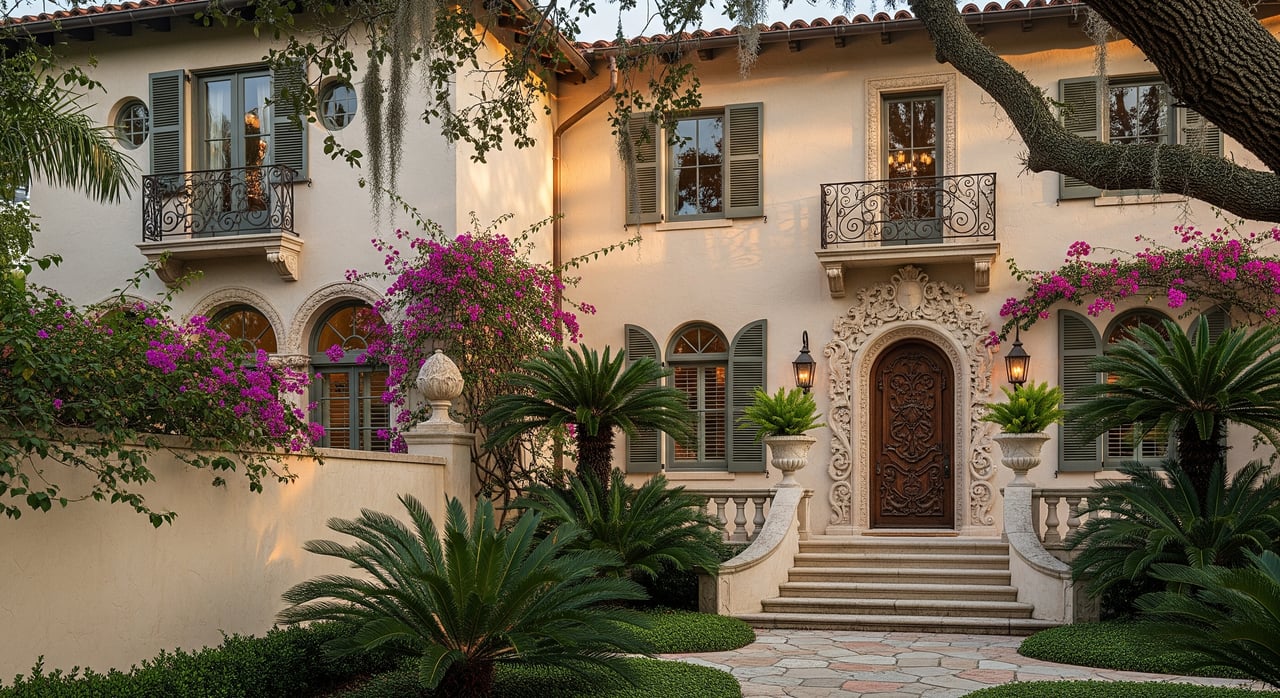
Flamingo Park and nearby Grandview Heights are known for early to mid-20th-century architecture. You’ll see bungalows, Craftsman and frame vernacular homes, Mediterranean and Spanish Revival influences, plus modest Mission and Colonial Revival styles. Period woodwork, original windows, chimneys, porches, and mature tropical landscaping are common assets you want to feature.
Buyers here tend to value walkability to downtown West Palm Beach, unique design, and neighborhood community. Many are professionals, empty nesters, locals moving up from condos, and some investors drawn to vacation rental potential. These buyers seek a balance of original character and everyday comfort.
Seasonal rhythm matters in South Florida. Listing and buyer activity often picks up in the fall through spring months. Homes that preserve period details while showing strong systems and thoughtful updates typically earn more attention and better offers in this market.
Know the rules before you start
Historic approvals and permits
If your home is designated or sits within a locally regulated historic district, exterior changes could require review by the City of West Palm Beach Historic Preservation Office. Items like paint color, windows, roofing, and porch work may need a Certificate of Appropriateness. Building permits apply to mechanical, electrical, structural, roofing, and major exterior projects.
- Contact city preservation staff early and confirm if your home is regulated.
- Get written notes about any conditions that could affect your plans.
- Confirm permit needs with Palm Beach County Planning, Zoning, and Building.
Federal and Florida disclosures
If your home was built before 1978, federal law requires lead-based paint disclosure. You must provide the EPA/HUD pamphlet and the proper forms, and buyers have the opportunity for a lead inspection. Contractors who renovate pre-1978 homes may be subject to the EPA Renovation, Repair and Painting rule.
Check FEMA flood maps to understand flood-zone status. If the property is in a high-risk zone, buyers will likely need flood insurance. Gather any Elevation Certificate or flood insurance documents you have.
Florida requires sellers to disclose known material defects. Use the appropriate state and local forms and follow the timing requirements. Consider consulting a Florida-licensed realtor or attorney for specifics.
Build your seller’s historic file
Organize a simple, complete package that reassures buyers and supports your price.
- Deed, legal description, and recent survey or plot plan
- Property tax history and any current title report or assessments
- Past permits and any Certificates of Appropriateness
- Contractor invoices and warranties for roof, HVAC, electrical, plumbing, and termite treatments
- Restoration documentation, including before and after photos and materials notes
- Recent inspection reports, including home, pest, roof, and septic if applicable
- Flood documents, such as FEMA maps, Elevation Certificate, and insurance claims
- Energy or utility bills
- HOA or neighborhood documents if relevant
- Lead-based paint disclosures for pre-1978 homes
- Rental or licensing history if used as a short-term rental
Create both a physical binder and a digital folder with PDFs so buyers and lenders can review quickly.
Your 3–6 month prep plan
Months 1–2: Safety and systems
Start with safety and function. Many buyers love historic style but expect updated, safe systems.
- Hire an inspector experienced with older homes to identify issues involving wiring, panels, plumbing, roof leaks, and structural movement.
- Address urgent safety items first, including unsafe electrical, active leaks, roof problems, or pest damage.
- Service HVAC and label electrical panels. Save all service records.
- Document repairs so you can highlight them in your listing and open house materials.
Months 1–3: Curb appeal and exterior
Buyers often decide within seconds at the curb. Reveal and respect the original architecture.
- Trim palms and hedges to expose porches, trim, and columns. Remove overgrown or invasive plantings.
- Ensure gutters and downspouts work and the roof is sound. If replacement is needed, choose materials that fit the style.
- Power-wash masonry and driveways carefully. Repaint deteriorated trim and porches using compatible, period-appropriate colors.
- Repair porch steps, railings, and flooring. Add simple, scaled furnishings to suggest use without clutter.
Months 2–4: Interior priorities
Keep updates light and reversible where you can.
- Refinish or repair original wood floors where possible. Replace only if needed.
- Use a neutral but warm paint palette that complements period trim.
- Clean and restore woodwork and moldings. Reglue, tighten, and touch up finishes.
- Refresh kitchens and baths with surface-level improvements: cabinet paint, new hardware, updated faucets, regrouted tile, new light fixtures, and clean caulking.
- Repair window sash and hardware and add weatherstripping. Avoid wholesale window replacement unless required.
Months 4–6: Pre-listing wrap-up
Move from projects to presentation.
- Deep clean, declutter, and stage rooms to show space and features.
- Finish contractor punch lists and gather warranties.
- Prepare your seller file and disclosures.
- Coordinate professional photography and plan listing timing to align with higher-activity seasons if possible.
- Set pricing strategy with your agent based on comps, restored features, and any designation status.
Preservation-minded refresh ideas
Light touch, big impact
Focus on cosmetic adjustments that elevate charm and reassure buyers.
- Paint: Use breathable paints on older masonry and choose colors that fit the period.
- Hardware: Replace non-original knobs and pulls with period-appropriate options. Retain original brass or iron when feasible.
- Lighting: Swap harsh fixtures for warm LED choices that suit the era. Use dimmers to set mood.
- Flooring: Refinish rather than replace when salvageable. If replacement is required, match species and width closely.
- Kitchens and baths: Update surfaces and fixtures to read clean and timeless without a full remodel.
- Windows: Fix sash cords, reglaze cracked panes, and consider interior storm panels or cellular shades for efficiency.
Bring in the right specialists
Some work benefits from experienced hands.
- Historic window restoration professionals
- Masonry and stucco contractors familiar with historic materials
- Preservation carpenters for trim, porch columns, and balustrades
- HVAC contractors who know older homes and careful duct routing
- Licensed electricians who can upgrade wiring with minimal damage to finishes
- Paint conservators when high-value finishes need expert care
Choosing contractors and permits
Protect your timeline and your sale with careful selection.
- Get multiple quotes and ask for references specific to historic homes.
- Confirm Florida licensing and insurance.
- Request a clear scope, permit plan, and timeline. For exterior work in a historic district, ensure applications and approvals are included.
- Take before and after photos and keep invoices for your buyer package.
Upgrades to approach carefully
Avoid changes that erase value or trigger problems.
- Do not replace original windows or remove plaster and historic trim unless absolutely necessary.
- Skip highly personalized finishes that clash with the home’s style.
- Avoid non-reversible changes that may conflict with local review requirements.
Staging and marketing to shine
Staging principles
Help buyers see the lifestyle your home offers without hiding its character.
- Arrange furniture to showcase fireplaces, built-ins, wainscoting, and moldings.
- Keep original windows visible. Use sheers instead of heavy drapery.
- Choose simple, scaled furnishings and remove visual clutter.
- Add textiles and art that nod subtly to the home’s era without going theme-heavy.
- Use warm-toned lamps and maximize natural light for showings.
Photography and visuals
Professional visuals are essential for historic listings.
Capture wide-angle images of major rooms with minimal distortion.
Lead with a strong exterior hero shot and consider a twilight photo.
Include detail shots of millwork, hardware, tile, stained glass, and mantels to differentiate your listing.
Provide a clear floor plan so buyers can understand your layout.
Create a video walkthrough or virtual tour that tells the home’s story, including dates and restored features.
Schedule interiors on bright, soft-light days and exteriors in late afternoon or early evening for warm light.
Hire a photographer experienced with historic properties or architectural work.
Listing copy and positioning
Write for the right buyer and reduce friction.
- Emphasize authenticity. Call out original features and any documented restorations.
- Be transparent about condition. Highlight recent system updates and provide documentation.
- Note lifestyle benefits like proximity to downtown and neighborhood amenities.
- Include practical notes on flood-zone status, parking, and any district constraints when known.
Open houses and showings
Create a welcoming, respectful experience.
- Set the thermostat to a comfortable temperature.
- Offer light refreshments without strong scents.
- Provide an information packet summarizing system ages, permits, warranties, maintenance, and recent inspections.
- Consider scheduled showings with your agent when fragile elements need protection.
Budgeting and risk tips
- Prioritize safety and code compliance first, then visible improvements with strong return.
- Choose cost-effective, reversible updates that align with original materials.
- Defer major remodels unless the math clearly supports higher net proceeds.
- Do not conceal known defects. Florida disclosure rules and lender checks will surface issues.
- Do not perform exterior changes without required approvals if your home is regulated.
Next steps
If you are aiming to list in 3–6 months, now is the time to plan inspections, scope work, line up contractors, and schedule photography. With a preservation-minded approach, you can protect your home’s story and still meet buyer expectations.
If you want a tailored plan for your property in Flamingo Park or Grandview Heights, reach out to Jefferson Kiely. You will get local expertise, professional marketing, and hands-on guidance to prepare, price, and present your historic home for a confident sale.
FAQs
What makes Flamingo Park buyers different?
- Many value walkability, period architecture, and a balance of character and updated systems, which shapes how you stage and what you highlight.
Do I need approval for exterior changes in West Palm Beach?
- If your property is designated or in a regulated historic district, exterior work like windows, roofing, porches, and sometimes paint may require city review or a Certificate of Appropriateness.
What disclosures apply to pre-1978 homes in Florida?
- Federal law requires lead-based paint disclosure and the EPA/HUD pamphlet, and Florida requires disclosure of known material defects using state and local forms.
How should I time my Flamingo Park listing?
- South Florida often sees more activity in fall through spring, so align your prep timeline and photography to take advantage of seasonal demand when possible.
Are original windows a problem if they are drafty?
- Buyers usually prefer original windows in historic homes; prioritize repair, weatherstripping, and interior storm options over full replacement where feasible.
Which documents help me secure stronger offers?
- A complete seller file with permits, warranties, restoration notes, service records, inspections, flood documents, and utility bills builds trust and supports your price.
Should I remodel the kitchen before selling a bungalow?
- On a 3–6 month timeline, favor surface-level refreshes that read clean and timeless instead of major remodels that risk erasing period character.